
Heirloom Seeds vs. Hybrid Seeds: Which Is Better for Your Garden?

Heirloom Seeds
Heirloom seeds are more than just a gardening trend—they’re a living connection to the past and a promise for the future. Unlike hybrid or genetically modified seeds, heirloom seeds are open-pollinated, meaning they produce plants with traits identical to their parent generation. Passed down through generations, these seeds carry the genetic diversity, resilience, and flavors of crops cultivated by our ancestors.
Hybrid Seeds
Hybrid and “GMO seeds” are owned and created in labs by companies like Monsanto (now Bayer) and are designed for shelf life, uniformity, and appearance, and patented control- not biodiversity or long-term ecological health. These seeds are often engineered to be sterile, or some call them “suicide seeds,” as this genetic engineering forces farmers to buy new seeds every year instead of saving and replanting them. This disrupts ancient farming practices like seed saving, which have sustained biodiversity for millennia. Additionally, GMO crops are frequently modified to withstand herbicides (like Roundup), leading to massive chemical use that poisons soil, water, and wildlife while promoting superweeds resistant to those very chemicals.
“94% of historic seed varieties have vanished while major chemical companies monopolize the global supply”
-Seed: The untold story-
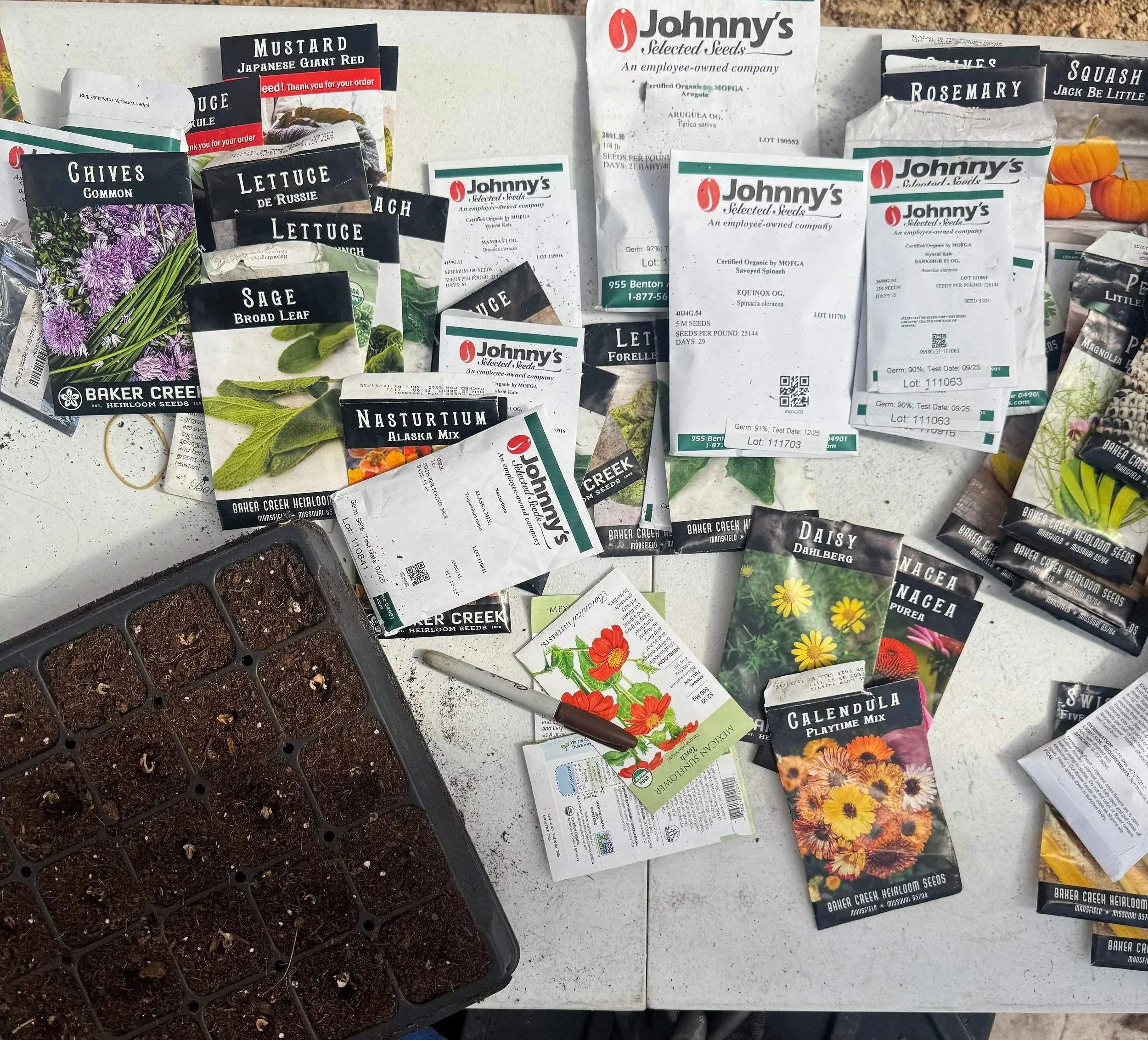
heirloom seeds
Why does it matter?
Heirloom seeds preserve biodiversity, ensuring that rare and unique plant varieties aren’t lost to industrial agriculture. They adapt over time to local climates and conditions, making them more resilient to pests, diseases, and changing weather patterns accelerated by climate change. Using them is crucial for maintaining genetic diversity, and the future of our food security depends on them. By purchasing and reusing heirloom seeds, you're protecting rare and unique plant varieties from extinction. Plus, heirloom varieties often boast richer, more complex flavors—think of the difference between a store-bought tomato and one grown at the farmers’ market.
Using heirloom seeds isn’t just about growing food; it’s about reclaiming food sovereignty, supporting sustainable agriculture, keeping history alive through food, and honoring the traditions of those who came before us. Every time you plant an heirloom seed, you’re not just nurturing a plant—you’re nurturing a legacy and food for the future.
Where can I find Heirlooms?
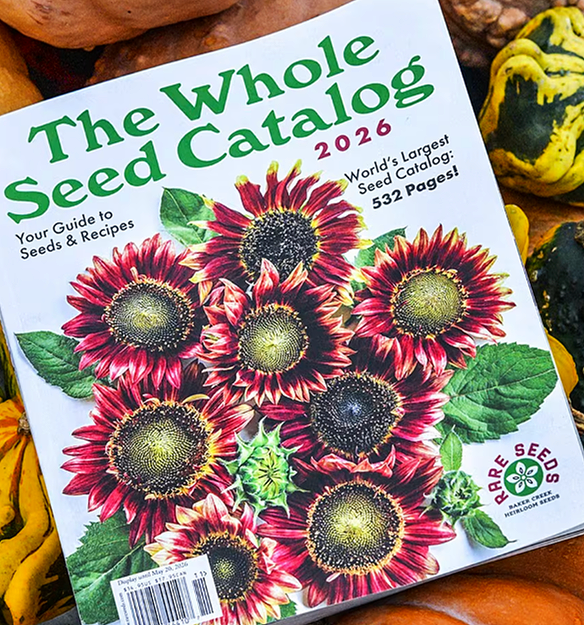
Many local nurseries should have USDA-certified organic seeds, and these are safe to use. They usually carry other local growers who have been seed-saving and share their homegrown seeds locally. If you need larger quantities or different varieties of crops, I love to use my trusty friends over at: www.rareseeds.com
They focus on preserving seed diversity, promoting food security, and offering non-GMO, open-pollinated heirloom varieties. Every winter I look forward to receiving their beautiful catalog filled with an extensive catalog of unique, historical, and international vegetable, fruit, and flower seeds—many collected from Asia, Europe, and the Americas.
“The greatest threat to our food security isn’t climate change—it’s losing our seeds.”
When choosing varieties, look for those suited to your climate and growing zone. Other ways you can support heirlooms are saving your seeds each year at the end of the season-it’s easier than you think! Join a local seed swap or start one in your community to build connections and gather seeds that are used to growing in your area. This helps save money too! You can also share your harvest with neighbors and spread the love and seeds with others to save!